
In short
- Look at three time layers at once: today's practice, the transition, and the model five to ten years out.
- Make the far picture sharp first, then reason back to today's choice.
- That way direction steers your decisions, not the hype of the week.
The problem with planning from now
Most organisations plan from their current practice: what can we do slightly better next quarter? That works until the world starts moving faster than the roadmap. Then you are chasing the facts, and every choice becomes a reaction to something that already happened.
Three horizons at once
The Three Horizons model holds three time layers in view at the same time. Horizon 1 is current practice, the work that delivers value today. Horizon 3 is the future model, how the work might look in five to ten years. Horizon 2 is the transition in between, which is messy and tense and where most organisations would rather not look.
You don't plan forward from now. You start at the destination and work back.
Why you start at Horizon 3
Making the far picture sharp first gives you a compass. From there you reason back: which steps in Horizon 2 get us there, and what does that mean for the choice in front of us today? Decisions in the present then follow a direction you set yourself rather than whatever was loud this week. That is where our name comes from. First to the future, then back.
What this looks like in a room
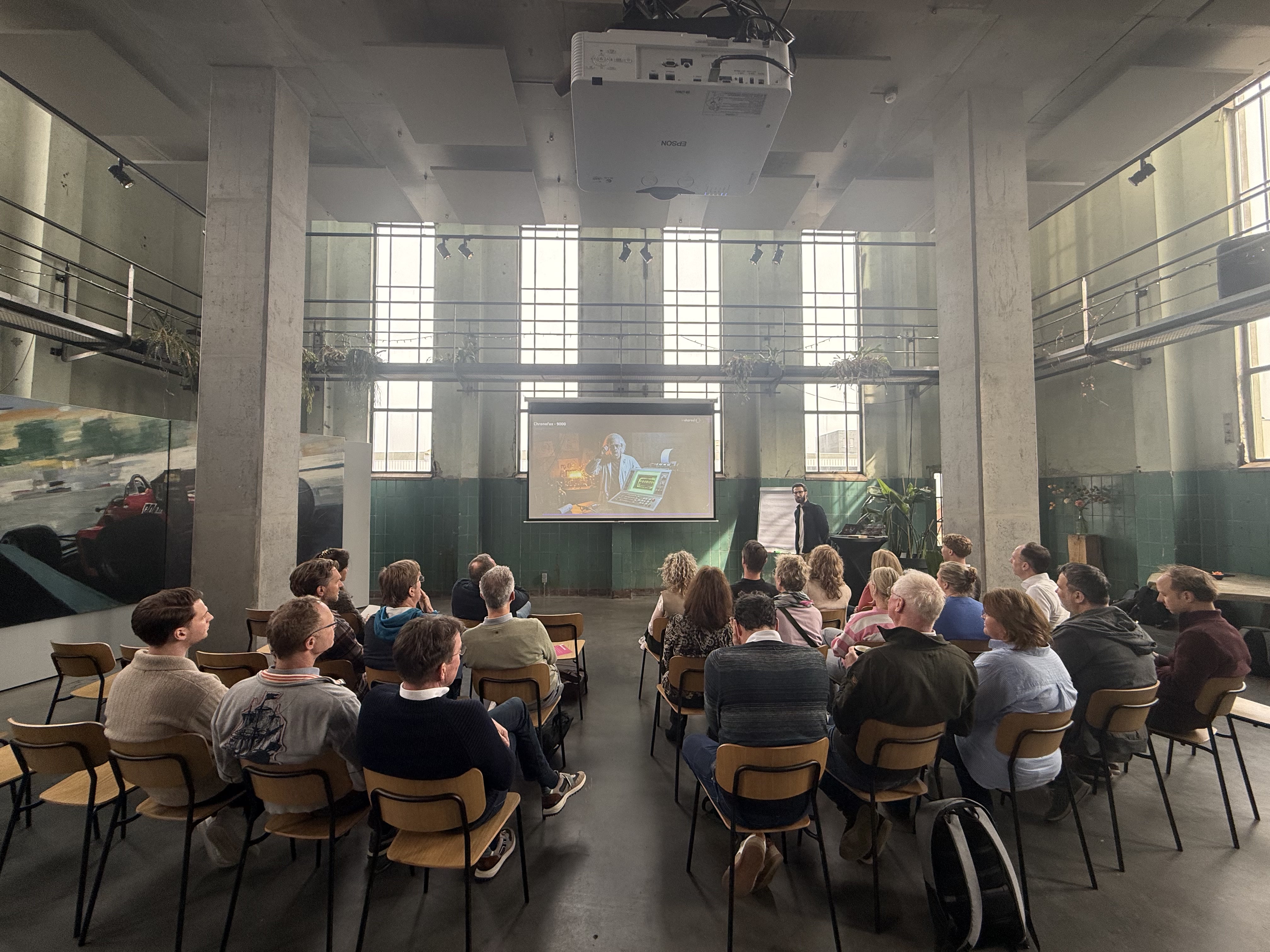
In a strategy session with one management team, this model moved the conversation past the operational AI question and into the real one: what does this mean for our business model and our position ten years out? The insights came from the group. Our job was building the frame that made them visible, and scheduling a moment later to test the scenarios against what actually happened. Foresight works as a rhythm rather than a one-off exercise.

Ruben Horbach
Co-founder · Back From the Future
Ruben researches how organisations adopt AI meaningfully — not as technology, but as a change in work and people. He builds the agent infrastructure behind BFF and speaks about the near future of work.