
Veris Bouwmaterialengroep · Building materials · Logistics
First find where the time goes, then build
Four days walking along with customer service and planning, to find where AI truly saves time. Before anything gets built.
Introduction
Before you build a solution, you need to know where the time really goes. At Veris we walked along on the logistics floor for four days to find exactly that: no assumption, but the work as it really runs.
The trigger
The processes ran stiffly, but it wasn't clear where. Two departments each carried their own manual burden. Customer service struggled with tracking down delivery times and with stock differences between two systems that don't talk to each other. Planning began the day with printed lists, handwritten notes and a physical walk across the yard before a single route existed. Well organised, but almost entirely by hand.
The approach
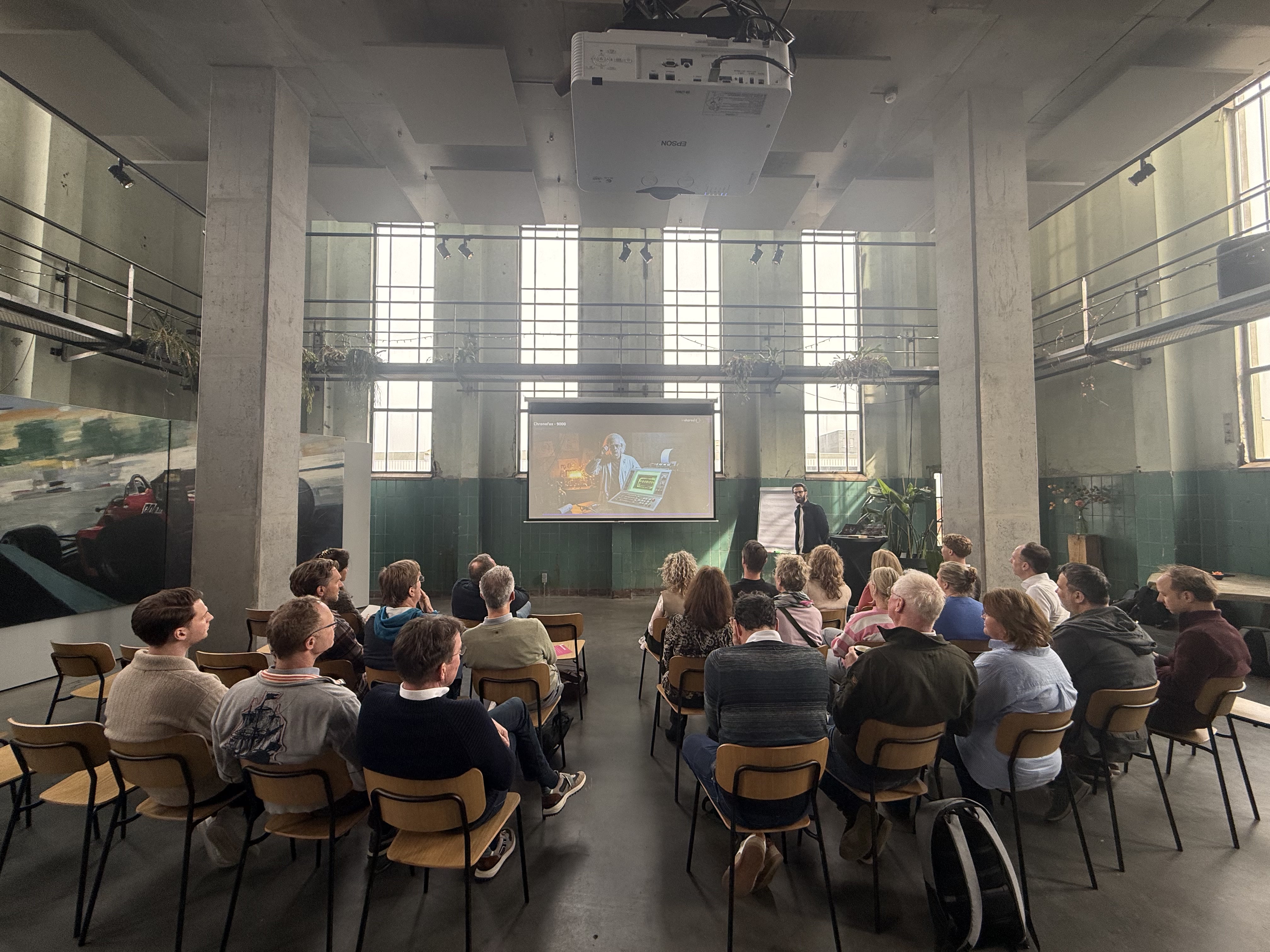
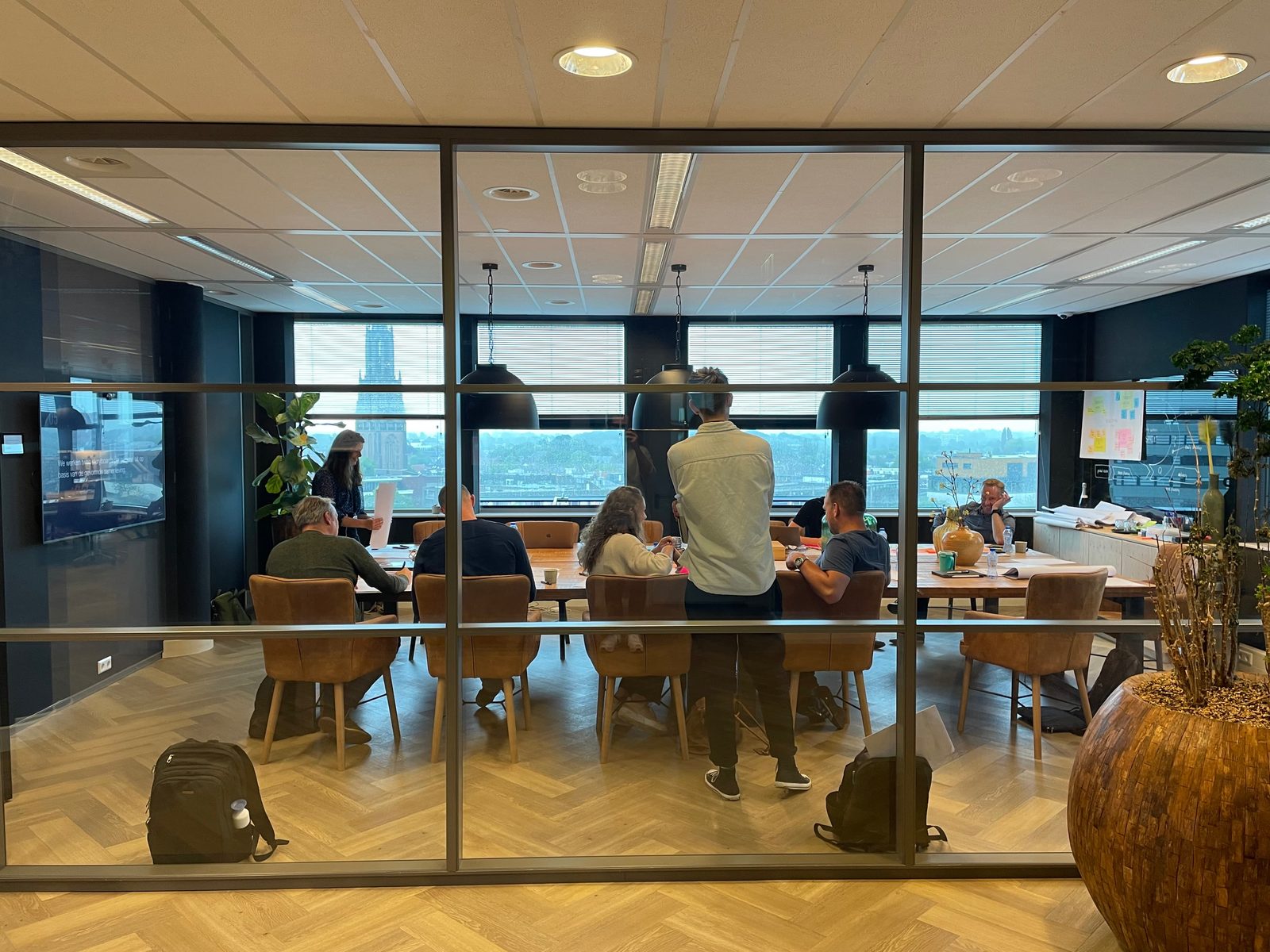
Four shadow days at the branch. We watched customer service and planning, asked questions and reconstructed the daily way of working step by step. We validated every step with the team itself, so the picture matched practice and not an assumption.
Together with the people on the floor we determined which opportunities deliver the most impact for the least effort, and put them in order. The direction of the solution came largely from the team itself. That way you only scale what is proven to work.

What we found
The daily hunt for delivery times
For every backorder someone manually looks up the matching purchase order, pulls in the supplier confirmation (one supplier always sends it, another never does), fills in the delivery time by hand and sends the update around via a tool not meant for it. Every day again, per order.
A planning chain of ten manual steps
An order travels via an export to Excel, manual counting of pallet places, a physical inventory in the warehouse, a route put together by hand, and then back into the system. Only then can a driver set off. A large two-metre post counts as one pallet in the system, but takes the space of three in the truck. That estimate lives in the planner's head.
Knowledge that sits with one person
The exceptions and the implicit rules (when something has to go on one pallet, how to read a system in practice) sit almost entirely with one employee. If they're away for a few days, the yard fills up and the rest literally builds around it.
Let's automate the ideal scenario. As soon as the delivery time is filled in, we send it to members automatically, so we no longer have to worry about it.
What it delivered
- ✓ A clear picture of where the friction really sits, not where it was suspected
- ✓ Seven well-founded use cases, ordered by impact and effort
- ✓ A continuity risk made visible and discussable
- ✓ A well-founded business case before a single euro goes into technology