
Veris Bouwmaterialengroep · Building materials · Wholesale & Supply Chain
Don’t jump to solutions — win back 20% of your time
From manual, error-prone data management to control and quality assurance — and from occasional AI use to an AI-mature marketing team. Without jumping straight to solutions.
Introduction
From manual, error-prone data management to control and quality assurance — and from occasional AI use to an AI-mature marketing team. Without jumping straight to solutions.
The trigger
The willingness was there, the direction wasn't.
Veris Bouwmaterialengroep is the service organisation behind 30 shareholders — all family businesses — that together operate more than 130 branches. That makes Veris the largest group of timber and building-materials merchants in the Netherlands and Belgium.
But that position is under pressure. Geopolitical developments are making building materials more expensive, the nitrogen crisis is slowing construction output, and the 30 shareholders look to Veris with one message: work more effectively and efficiently. Management saw opportunities in AI and data-driven decision-making, but that ambition came with questions: how do we get data quality in order, how do we select the right tools, and how do we bring employees along?
In 2024 Veris deliberately chose a partner that doesn't start with tool selection, but with the work itself. Not: "which AI tool do we implement?" But: "what changes, what does that mean for our people, and where do we begin?"
The approach
First see, then focus, then build.
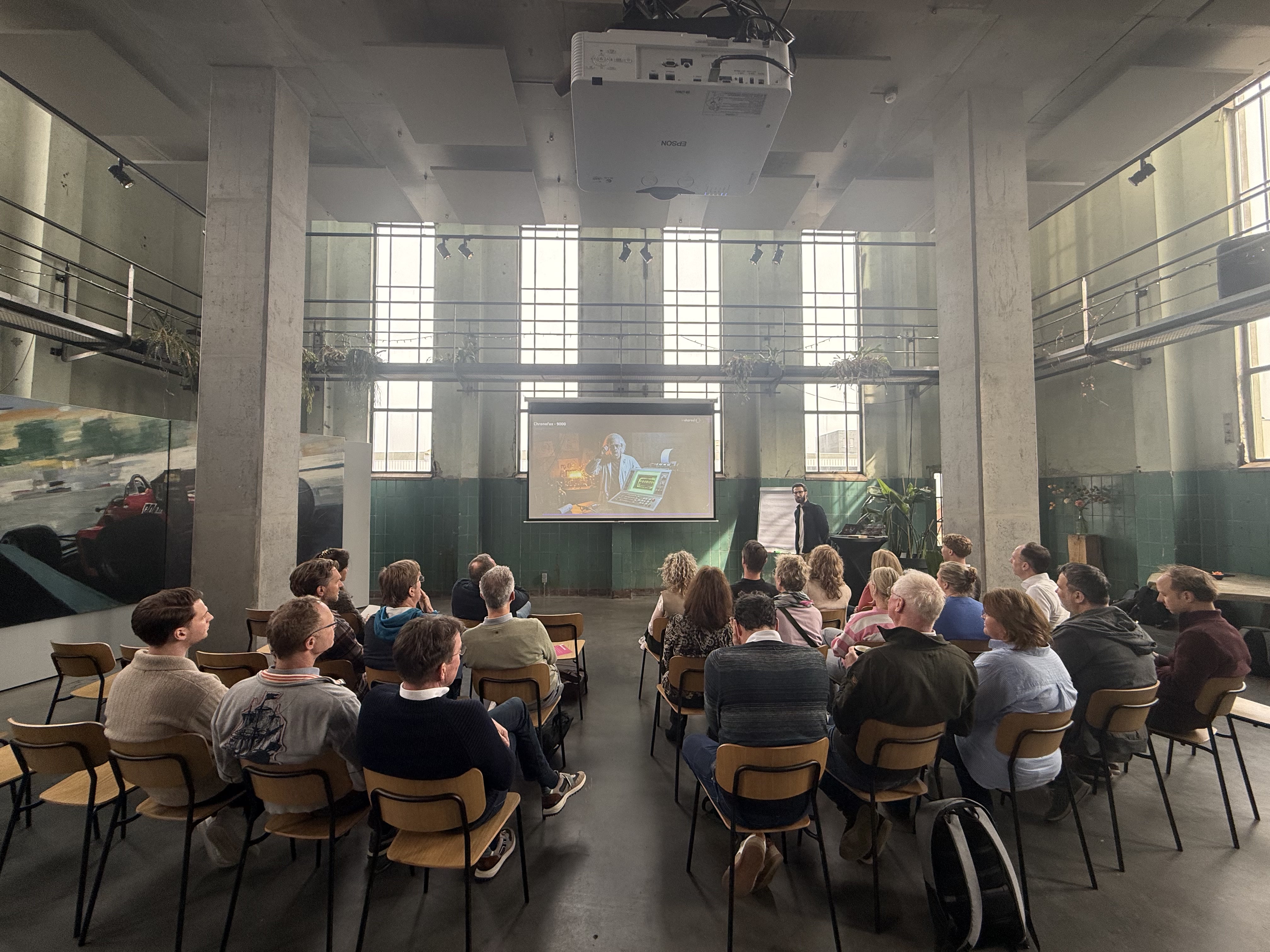
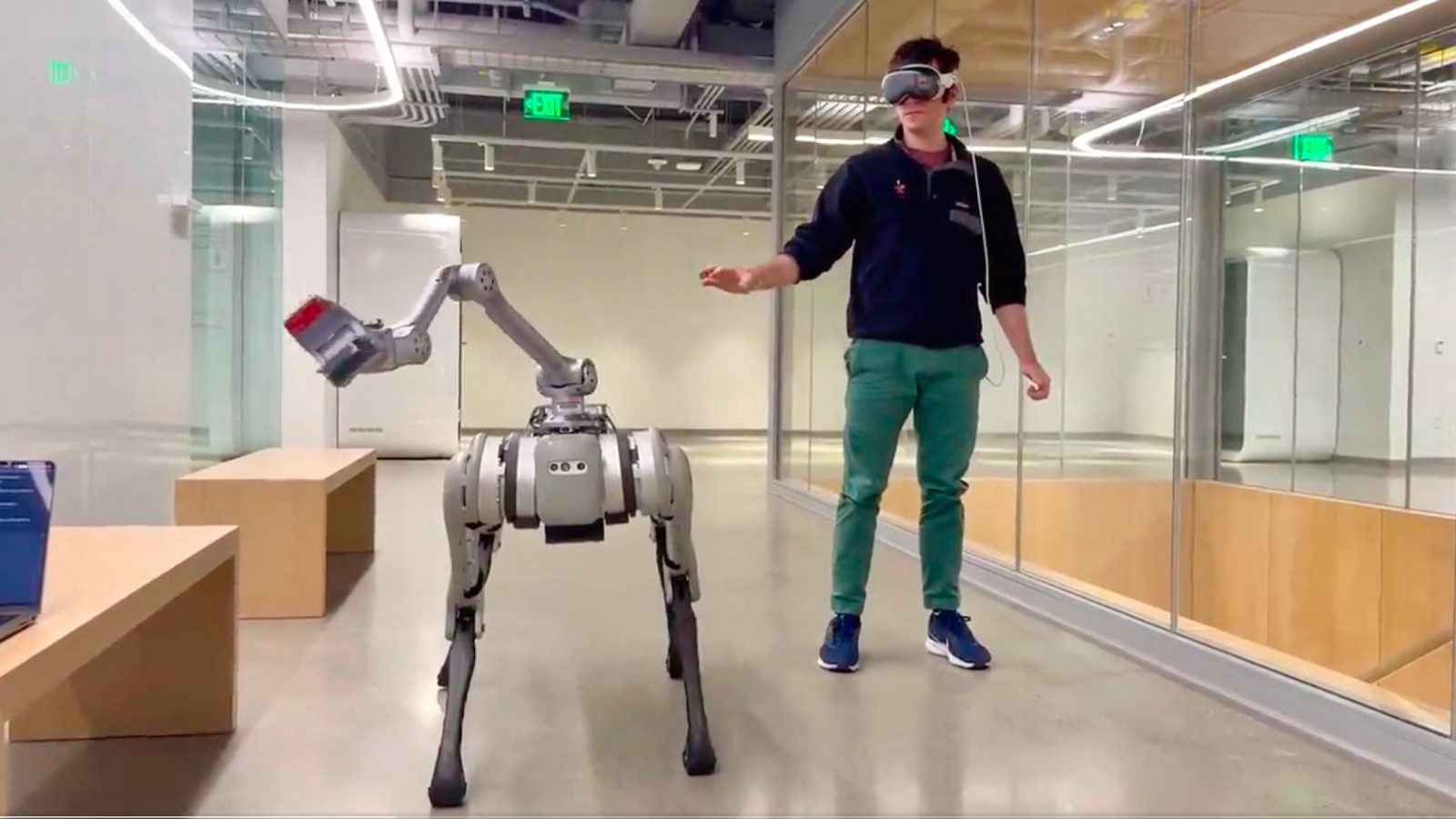
The collaboration started by making things visible. Through a keynote and the BFF Challenge, the shareholders experienced first-hand what new technology concretely means for their operations — hands-on, in their own processes. The effect: people grew curious, and the change became something the organisation owned itself.
From that energy, we brought in structure together. In strategic sessions with management we translated the challenges into choices and direction — including the concerns: how do you combine the human factor with AI, and how do you keep people motivated while parts of their work are taken over by technology?
Two domains came into view first: Data management and Marketing. For each domain we chose a different angle, tailored to the type of work and the team.
What made the difference for us is that we didn't jump straight to solutions. The See → Understand → Adopt approach gave us both direction and room to do this our own way. That made the change manageable and lasting.
Data management
From data manager to data steward.
Day-to-day work consisted of processing a continuous stream of changes — contract adjustments, price fluctuations, changed product specifications. Everything had to move manually from one system to another: export, check, import, in an outdated system landscape. Error-prone and disproportionately time-consuming — creating specifications alone took about 20% of working time.
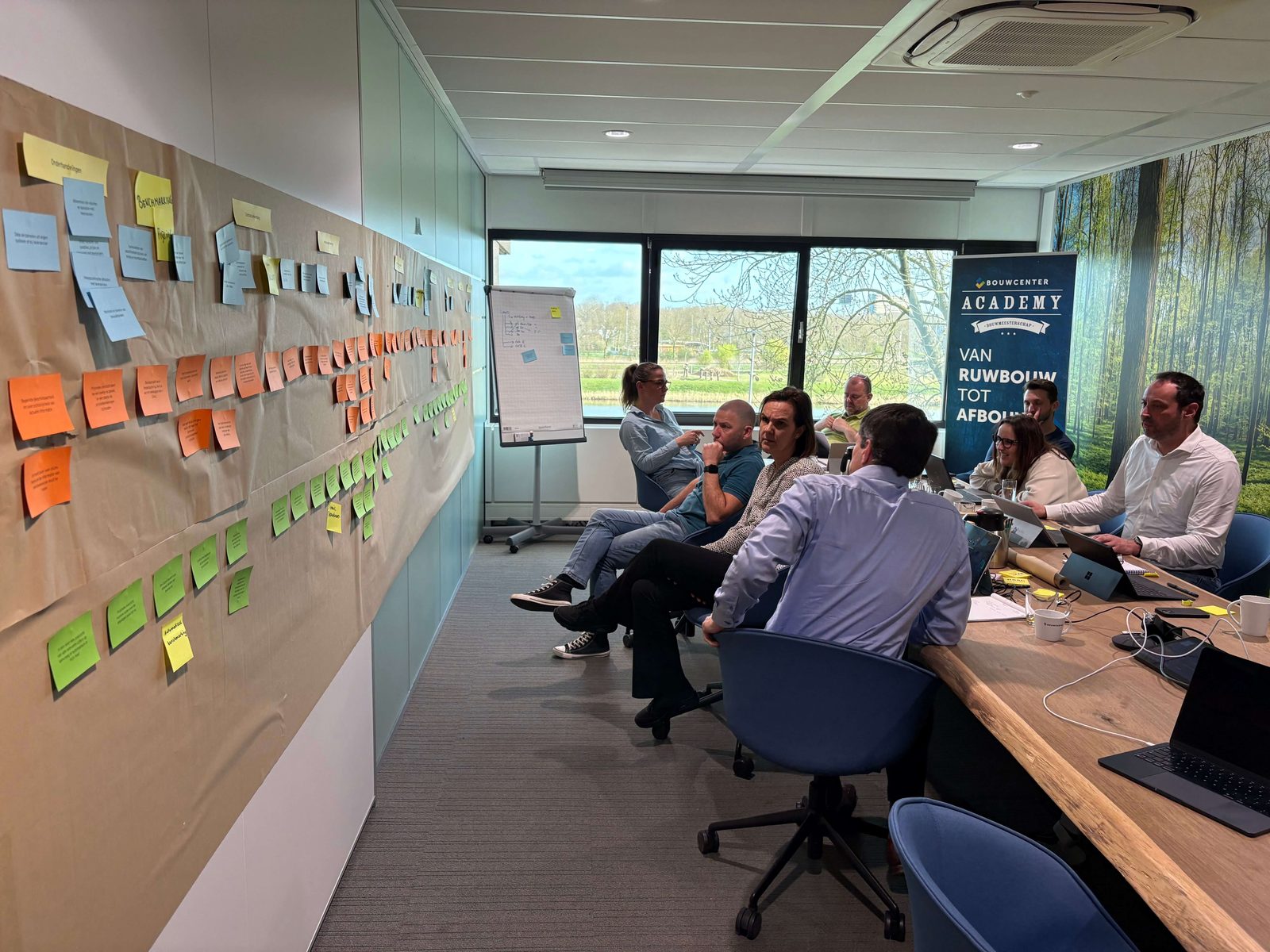
We started with the work itself. Through interviews we mapped the daily way of working step by step and validated it with the team. Together we chose where the most impact was; the team came up with and pitched the solution directions themselves, after which the management team tested them on an impact-effort matrix. Together with a development partner we built a supporting AI solution.
The role of employees shifted from hands-on data management to control and quality assurance. The technology does the heavy lifting; people stay in control. Data managers grew into data stewards.
Results
Marketing
From occasional to structural.
The team was already using AI — 100% had experience — but in an unstructured way. In May 2025 nobody had a paid account, only 29% had access to a secure environment, and automation was rare (14%). The enthusiasm was there, the structure was not yet.
Instead of interviews, we joined the team during shadow days — to see how work really happened and where the handovers sat. The team named the bottlenecks themselves as soon as the work became visible. With targeted training and coaching, it grew from occasional use to a structural way of working: writing content, generating images, and an efficient workflow for standard marketing sets.
AI now acts as an accelerator for ideas, content and execution — not as a replacement for creativity, but as an extension of it. In half a year the team shifted from enthusiastic-but-unstructured to AI-mature.
Results
What’s next
The same service with less capacity — and more challenging work.
In 2026 Veris applies this approach within other departments — not by repeating it, but by looking, understanding and embedding anew. The ambition: through effective use of AI, Veris delivers the same or better service with less capacity, while the work becomes more challenging for employees, not more boring.
That Veris, after the first phase, again chooses the same partner and method says something about what works.