
Politie Oost-Nederland · Government · Public safety
Putting the victim back at the centre
A redesign of digital investigation, built on what citizens truly need.
Introduction
A redesign of digital investigation, built on what citizens truly need.
The trigger
Meaningfully present.
Victims of digital crime reported to Politie Oost-Nederland — and then it went quiet. An automated message. Little feedback. The feeling that no one was really listening. Citizens didn't understand why they had to submit information. They expected the police to simply solve it. And meanwhile, colleagues felt powerless: they wanted to help, but the way of working made that hard.
The unit's Digital Transformation team saw what was missing. The problem wasn't technical — it was human. The way of working didn't match what victims needed: someone who listens, provides clarity and keeps them informed throughout.
Through their network they found BFF. Not for a new system, but for a different approach: first understand what is really going on, and only then build something better.
The approach
The victim as the starting point.
The engagement started with a strategy session. Not to talk about processes, but to sharpen where Politie Oost-Nederland wanted to be in two years. That produced a clear starting point: to intervene meaningfully in the digital domain, with the victim at the centre.
From that foundation came in-depth conversations with people across the whole organisation — colleagues in daily contact with citizens, the people who manage the systems, and everyone in between. Not an audit, but a listening exercise. What works? Where does it get stuck? What do people themselves want to do differently?
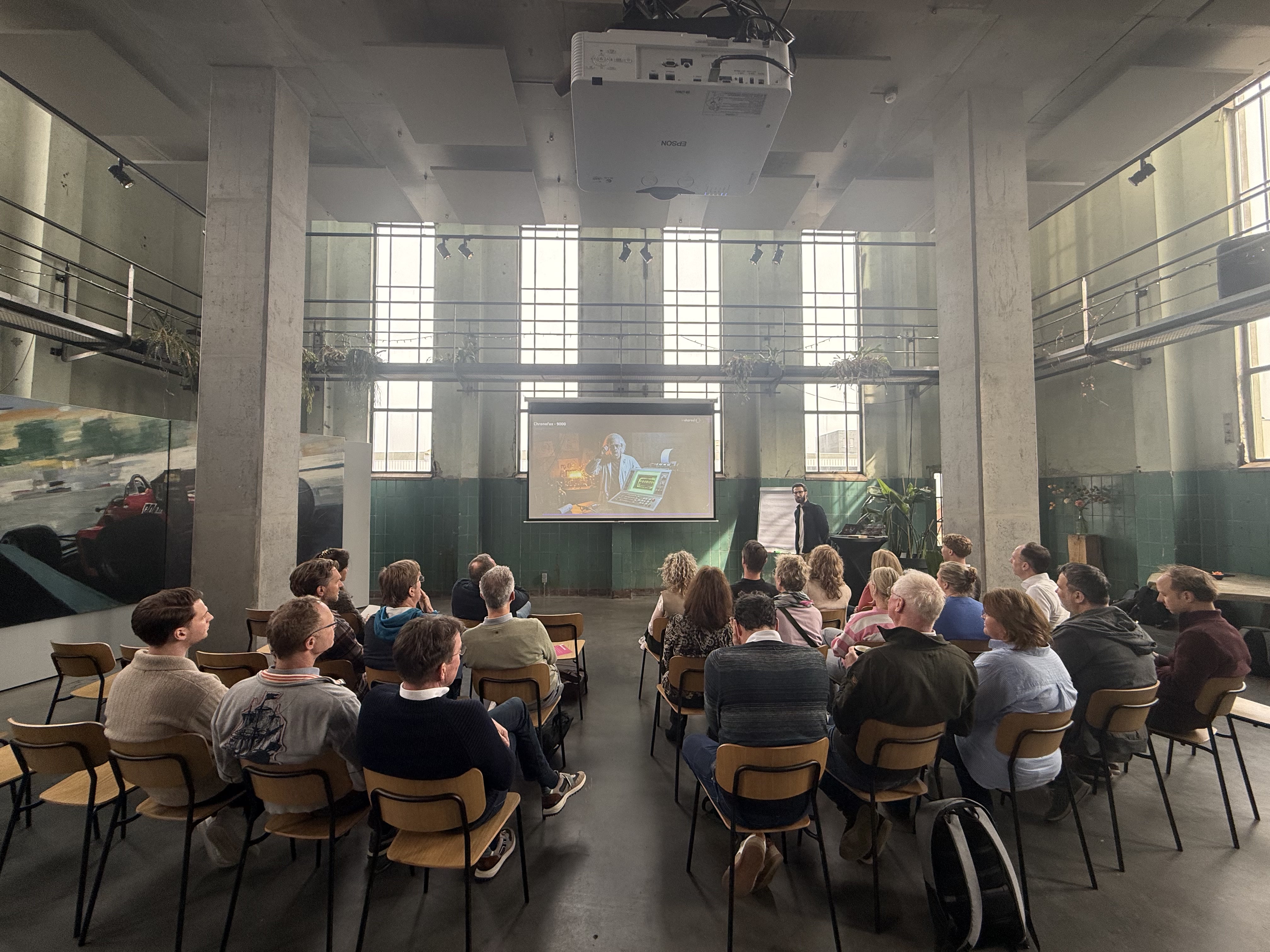
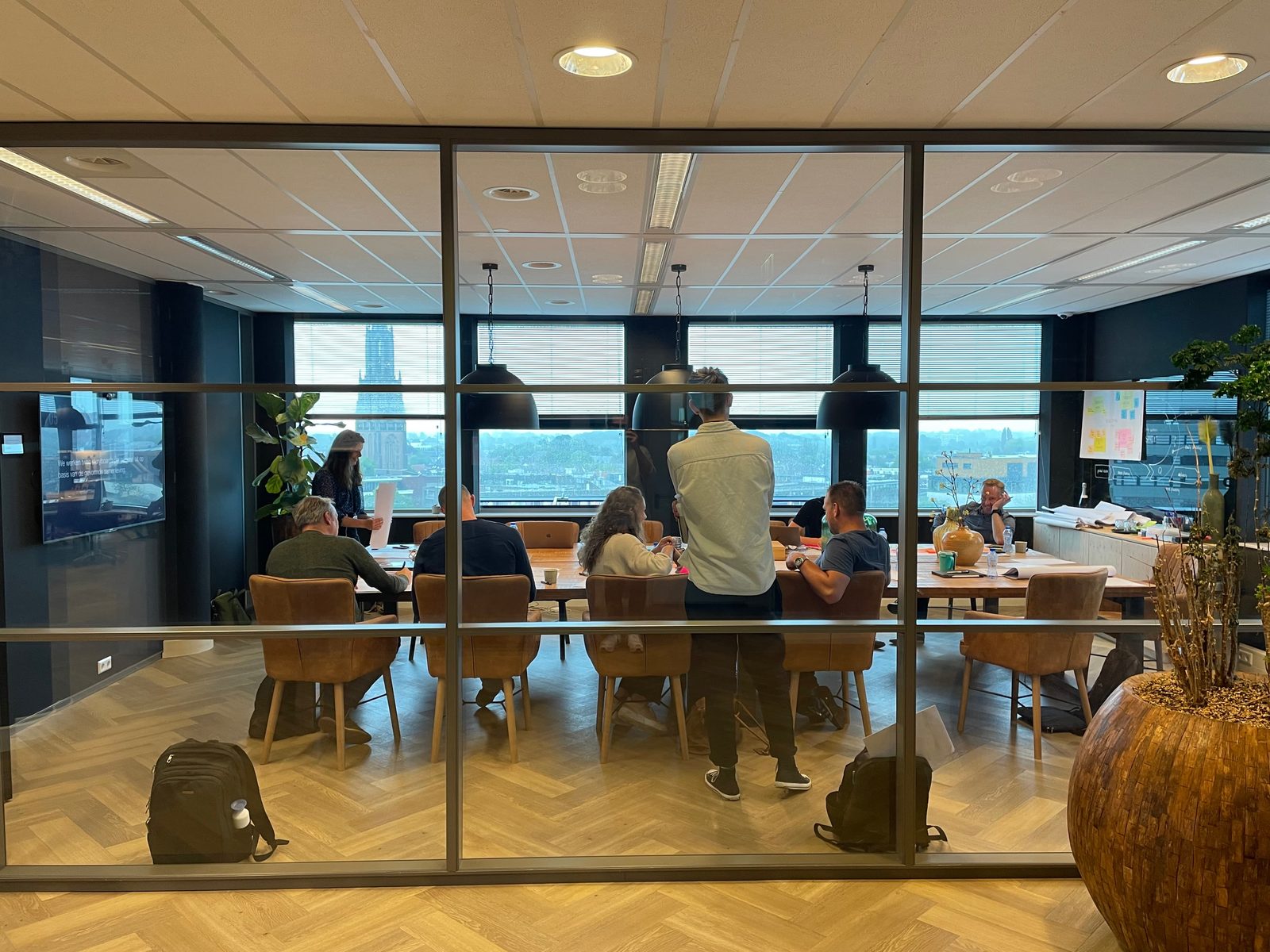
The insights came together in a joint journey session, where pain points and opportunities were mapped onto the existing work process. That created a shared picture — carried by the people who work with it every day. That picture became the basis for the redesign: a way of working that matches what citizens need, and that enables colleagues to truly make a difference.
Victim support in digital crime
From automated to humanly present.
After first contact, it was often quiet for a long time for victims of digital crime. They received automated, impersonal messages. Didn't know what was happening with their report. Didn't feel taken seriously. Some didn't understand why they had to submit information — and dropped out because of it. The colleagues on the other side wanted to help, but the work process made that hard.
The conversations showed that victims don't expect spectacular help. They want to know they are seen, and to be kept informed throughout. The redesign describes a way of working that makes that concrete: structured contact at the moments that matter, with genuine attention to each victim's individual situation. The redesigned process was validated with victims of digital crime — people of different ages and backgrounds. They gave feedback on its feasibility and how well it reflected their own experience. Based on that, small adjustments were made, so the end result isn't only internally logical, but also matches what citizens truly need.
A way of working that enables colleagues to approach every victim with a genuinely listening ear — and, based on individual needs, make the right choices, keeping the victim informed throughout.
Results
What’s next
A foundation that is carried.
The redesign has been handed over internally to Politie Oost-Nederland. After validation with real victims and a final adjustment of the process, the experiment started in a basic team within the unit. The ambition formulated at the outset — to enable colleagues to make the right choices for every victim with a genuinely listening ear — still leads the way. The first results of the experiment are expected soon. This story isn't finished yet.